
Understanding Geo-Specific Regulations for Commercial Land in Utah
Introduction to Geo-Specific Regulations
When investing in commercial land in Utah, it's crucial to understand the geo-specific regulations that govern land use and development. These regulations can significantly impact the feasibility and profitability of your projects.
Utah is known for its diverse landscapes and rapidly growing urban areas. This diversity results in a complex regulatory environment that varies by location. Familiarizing yourself with these regulations is essential for successful land development.

Understanding Zoning Laws
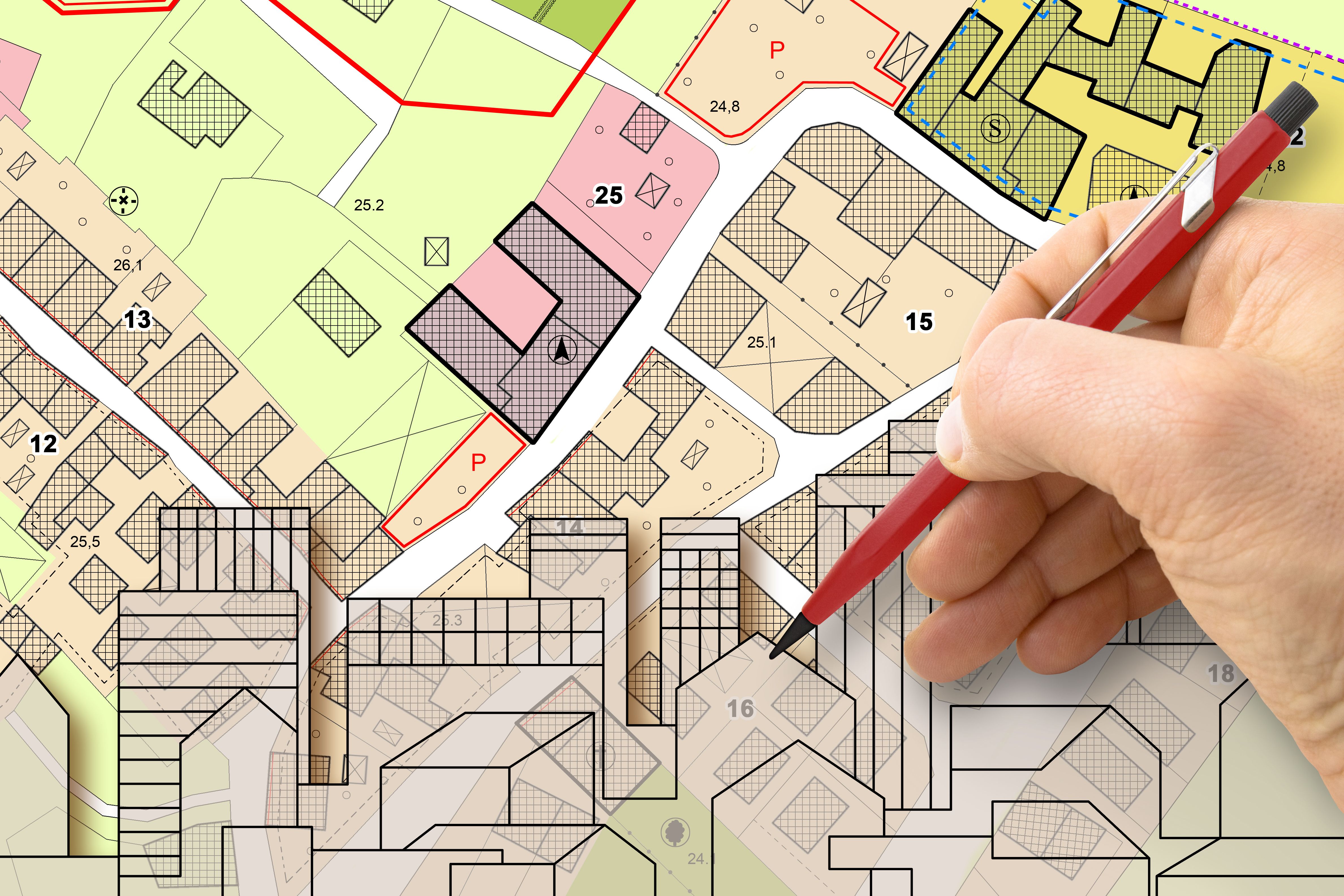
Zoning laws are a critical aspect of commercial land regulations. They determine how land can be used, whether for retail, industrial, or mixed-use purposes. In Utah, zoning regulations can differ dramatically between municipalities.
It's important to research the specific zoning laws in the area where you plan to invest. Consult with local planning authorities or a real estate attorney to ensure compliance and to understand any potential restrictions or opportunities.
Types of Zoning
Common zoning types in Utah include commercial, residential, industrial, and agricultural. Each type has its own set of rules and permissible activities. Understanding these distinctions helps in making informed decisions about land use.
Environmental Considerations
Utah's unique environment presents particular challenges and opportunities for commercial land development. Regulations often address issues such as water usage, land conservation, and wildlife protection.
Developers must conduct environmental assessments to comply with state and federal regulations. This process helps identify any potential environmental impacts and ensures that development plans mitigate these concerns effectively.
Water Rights and Usage
Water rights are a significant concern in Utah, especially given its arid climate. Understanding water rights is crucial for any commercial land development, as they dictate the legal use and management of water resources.
Building and Safety Codes
Building codes in Utah are designed to ensure safety and structural integrity. These codes cover various aspects, including electrical systems, plumbing, and fire safety. Adhering to these codes is mandatory for all commercial developments.
It's advisable to work with experienced contractors and architects familiar with Utah's building codes to ensure compliance and avoid costly delays or fines.
Permitting Process
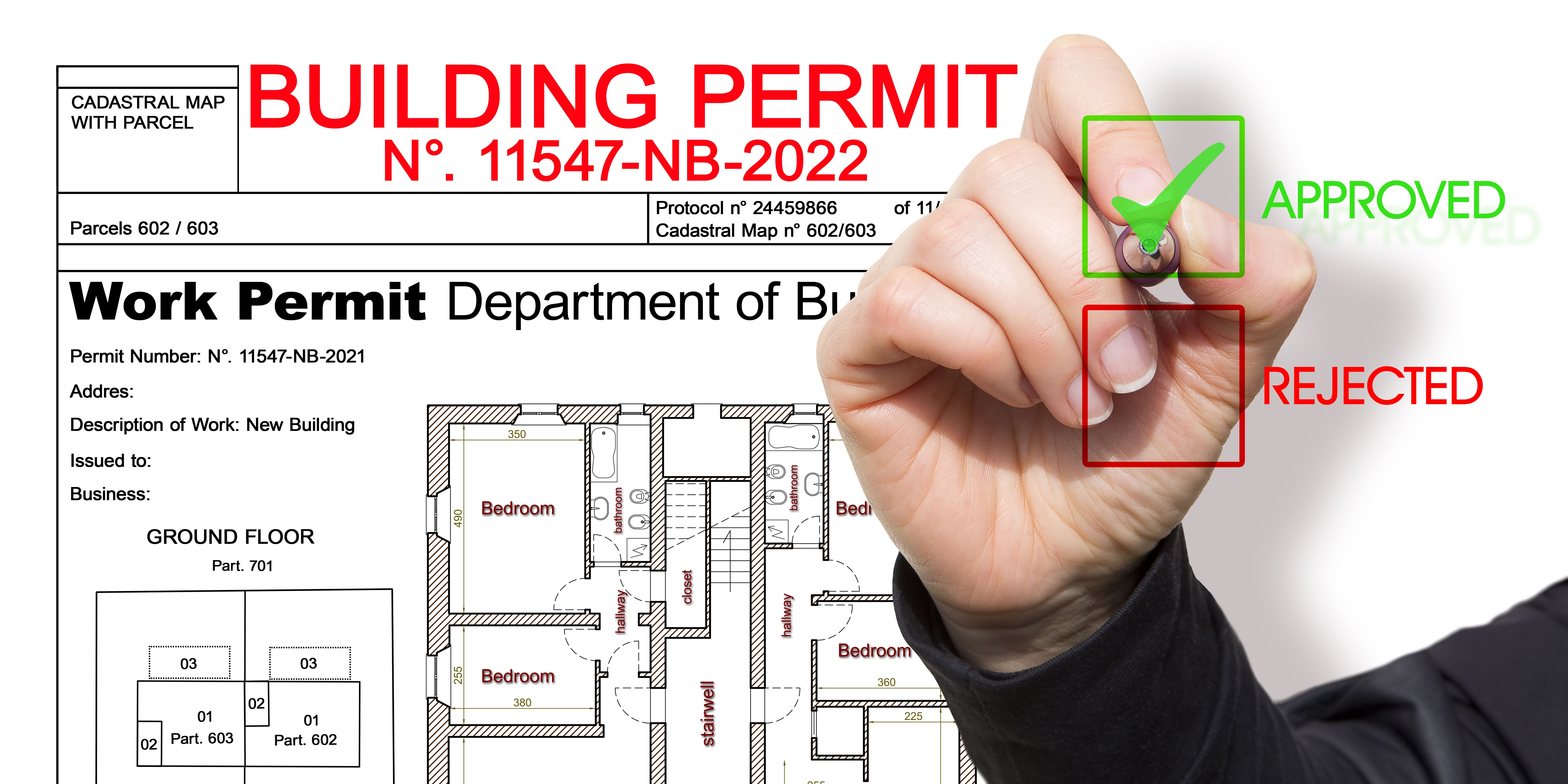
Obtaining the necessary permits is a crucial step in commercial land development. The permitting process can vary depending on the location and type of project. Engaging with local authorities early in the planning stages can facilitate a smoother approval process.
Conclusion
Understanding geo-specific regulations for commercial land in Utah is vital for successful investment and development. By staying informed and working with knowledgeable professionals, investors can navigate the complexities of Utah's regulatory landscape effectively.
Whether you're a seasoned developer or new to the Utah market, taking the time to understand these regulations will pay dividends in the long run. Careful planning and compliance with local laws ensure that your projects are both legally sound and economically viable.